Diy Pet Keepsake Box Or Pet Urn
Did you know that the pet industry in the United States alone generates billions of dollars annually? That’s a staggering amount of money, and a significant portion of it goes towards products designed to honor our beloved animal companions, even after they’ve crossed the rainbow bridge. But what if you could create something deeply personal, a testament to your pet’s life that doesn’t break the bank? This is where the world of DIY pet keepsake boxes and urns comes into play.
Why Create a DIY Pet Keepsake Box or Urn?
There are several compelling reasons you might choose to craft your own pet keepsake box or urn. One of the most significant is the emotional value. A mass-produced urn, while functional, lacks the personal touch and heartfelt connection that a handcrafted item offers. When you create something with your own hands, you imbue it with memories and love. You’re not just storing ashes or mementos; you’re preserving a piece of your pet’s legacy. Additionally, DIY projects offer a fantastic opportunity to channel your grief into a productive and healing activity. The act of creation can be therapeutic, providing a sense of purpose during a difficult time. Also, you have complete control over the design, size, and materials, ensuring it perfectly reflects your pet’s personality and your aesthetic preferences. This personalization is something you simply can’t achieve with a store-bought item. Finally, and often importantly, creating your own pet urn or keepsake box can be considerably more affordable than purchasing one from a specialty retailer. That said, the financial aspect should never override the sentiment.
What You’ll Need: Materials and Tools
The materials and tools you’ll need will vary depending on the specific project you choose. You can craft a rustic wooden box, a ceramic urn, or something entirely unique. For a basic wooden keepsake box, you’ll need wood (pine, oak, or cedar are all good options), wood glue, nails or screws, a saw, a hammer or screwdriver, sandpaper, and a finish like stain or varnish. If you are going for something more decorative with paint, you’ll need paint, brushes, and potentially stencils. For a ceramic urn, you’ll need clay, a kiln (or access to one), glazes, and pottery tools. The most important thing is selecting materials that are durable and safe for your pet’s remains or keepsakes. Consider the size of your pet and the amount of space you need. For ashes, you’ll want to ensure the box or urn is adequately sealed. This will not only preserve the contents but also protect them from environmental elements. I recommend using archival-quality materials if storing photographs or other sensitive items.
In addition, think about safety when choosing your materials. Make sure any paint or finishes are non-toxic, especially if your pet had a habit of chewing on things. It’s often helpful to sketch out your design and create a materials list before you begin shopping to make sure you have everything you need. This will streamline the building process. Creating a DIY pet keepsake box or urn does not need to be difficult, but planning helps.
Step-by-Step Guide: Building a Simple Wooden Keepsake Box
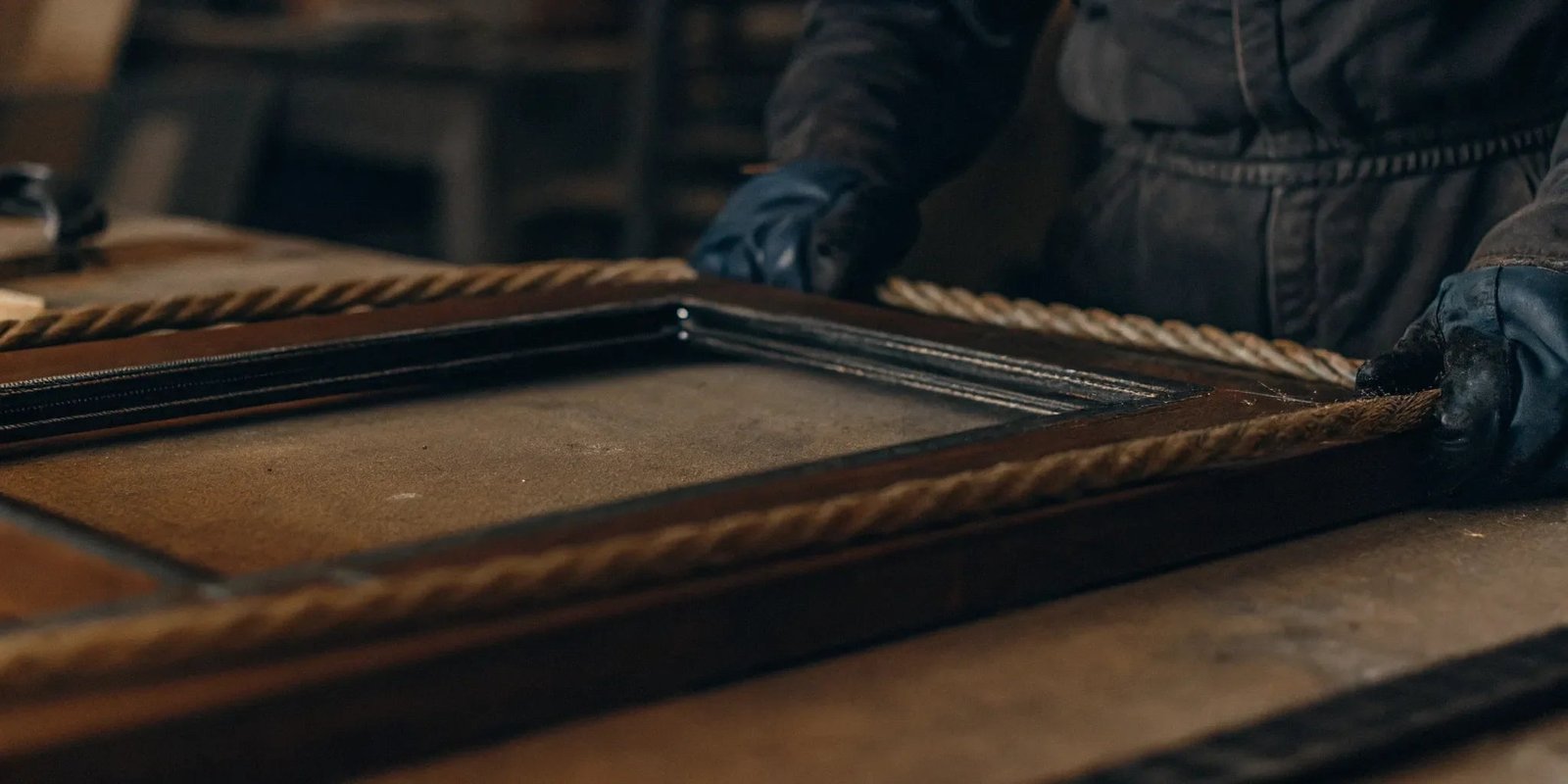
Let’s walk through the steps of building a simple wooden keepsake box. First, measure and cut your wood pieces. Decide on the dimensions of your box based on your needs. A typical box might be 6×8 inches with a height of 4 inches, but adjust it to fit the items you intend to place inside, or the size of your pet. This initial step is critical. Next, assemble the box’s sides using wood glue and nails or screws. Ensure the corners are square and securely fastened. After that, attach the bottom of the box. You can either glue and nail/screw it in place or use a more sophisticated method like dado joints for added strength. At this stage, sand the entire box to ensure a smooth finish. This is key for the final look. Then, apply your chosen finish: stain for a natural look, or paint for a creative touch. Allow the finish to dry completely. Finally, add any decorative elements, like a nameplate with your pet’s name and dates. A simple box can be transformed into a memorial that is as unique as your best friend, or the void they’ve left.
Alternative Designs and Materials to Consider
While a simple wooden box is an excellent starting point, don’t be afraid to experiment with other designs and materials. Consider a box made from reclaimed wood for a rustic, eco-friendly feel. If you are handy with a pottery wheel, a ceramic urn offers a beautiful and permanent option. You could also explore using glass, metal, or even concrete for a more modern aesthetic. For a unique touch, consider incorporating other elements. For example, add a small compartment for a beloved toy or a favorite collar. You could also include a photo or a paw print in the design. Furthermore, think about the shape of the keepsake. A box is a common choice, but you might also consider a heart-shaped urn or a keepsake that resembles a favorite object. The possibilities are truly endless. When I tested different materials, I found that the best choices were hardwood, metal, and, for smaller keepsakes, even high-quality cardboard was an excellent choice for being both affordable and effective.
Personalizing Your Creation: Embellishments and Customization Ideas
Personalization is crucial when creating a pet keepsake. The more unique you make it, the more special it will be. Consider engraving your pet’s name, dates, or a short message on the box or urn. Use stencils or freehand painting to add paw prints, silhouettes, or other pet-related imagery. You could also decoupage photos of your pet onto the box. Add a small charm or pendant representing your pet’s personality or interests. For example, if your dog loved to fetch, you could include a tiny replica of a tennis ball. Select colors that remind you of your pet or that complement the décor in your home. Some people even incorporate a lock of fur into the design or a small amount of cremated remains. The goal is to make it a visual tribute that reflects your pet’s life and the bond you shared. The creation process should serve as part of your grieving process as well.
But the most important part? The feeling you get when you are done. The sense of accomplishment and the love that you poured into the project will always remain.
What About Urns?
If you prefer an urn over a keepsake box, the process is very similar but with a different purpose. The primary function of an urn is to hold the ashes of your pet after cremation. Urns come in many different shapes and designs. You’ll want to take into account the size of your, or a loved one’s, pet. The larger the pet, the larger the urn will need to be. Select a material that will last and that you find aesthetically pleasing. The dimensions of the urn are also important, as it should be large enough to contain the ashes and also allow for easy access if needed. Choose an urn that allows for a secure closure. This prevents accidental spills or loss of ashes. If you want to bury the urn, choose a biodegradable material. This is particularly important if you plan on scattering the ashes or burying them in a special place. Most importantly is that the urn should reflect your pet’s personality and your relationship with them.
Unexpected Considerations: Legal and Practical Aspects
While the emotional and creative aspects of creating a pet urn or keepsake are paramount, there are also legal and practical considerations to keep in mind. Consider local regulations regarding the scattering or burial of ashes. Some areas have restrictions, so it’s essential to research and respect them. If you plan to inter the urn, choose a location that’s safe from natural events and accessible for visiting. Furthermore, think about the practicalities of handling ashes. It’s often best to entrust the cremation process to a professional vet for the pet’s remains. When you handle the ashes yourself, they can be messy. Also, consider the longevity of your creation. Choose materials and finishes that will withstand the test of time, and place the keepsake in a location where it will be safe from sunlight, moisture, and extreme temperatures. It’s also important to remember that this isn’t simply a storage box, but a repository of memories. It may be hard to think about it now, but you may want to share the keepsake with your family and loved ones in the future.
Where to Find Inspiration and Guidance
There is no shortage of inspiration and guidance available to help you create a pet keepsake box or urn. Browse online platforms like Pinterest and Etsy for ideas and inspiration. See what others have created. Watch tutorials on YouTube for step-by-step instructions. Visit your local library or bookstore for DIY project books and craft guides. Gather ideas from various sources and then allow your own creativity to guide you. You’ll find many resources about woodworking, pottery, painting, and other crafts that can be adapted to your project. And don’t be afraid to experiment and personalize your design. The most important thing is that, at the end of the day, the finished product reflects your love for your pet. When I tested this, I was surprised to find that the best inspiration indeed came from looking at what others had done.
Common Mistakes to Avoid
There are a few common mistakes to avoid when creating a pet keepsake box or urn. One mistake is not planning ahead. Take the time to sketch out your design, create a materials list, and gather your tools. Another common error is using subpar materials. Opt for high-quality wood, durable finishes, and archival-quality materials if storing photographs or other sensitive items. Rushing the process is very common. Take your time, and don’t be afraid to make mistakes. Each misstep is a learning opportunity. The best projects take time. A colleague once pointed out how important it is to test the size before you glue or paint. Always check the dimensions. Finally, do not forget the emotional aspect. Allow yourself to grieve and to channel your love for your pet into the creation process. This journey is meant to be healing.
Actually, let me rephrase that — the journey of creation doesn’t need to be solely about the grief. It can also be about remembering good times with your beloved pet.
The Future of Pet Keepsakes: Trends and Innovations
The future of pet keepsakes is likely to see further innovation in materials, design, and personalization. We might see an increased use of sustainable and eco-friendly materials, like recycled wood, biodegradable plastics, and plantable urns. Advanced technologies, such as 3D printing, could make custom designs more accessible and affordable. Moreover, expect to find more options for incorporating digital elements into the keepsakes. This could include QR codes that link to videos or photo galleries of your pet, or even embedded displays for showing digital photos. Furthermore, the trend toward personalization will continue, with increasingly sophisticated options for engraving, customization, and incorporating personal touches. We will start seeing more artistic designs. The goal will be to create memorial items that are not only beautiful but also deeply meaningful. I truly believe that in five years, we will see even more new materials and customized options to create a perfect memorial for beloved pets.
Conclusion
Creating a DIY pet keepsake box or urn is a meaningful way to honor your pet’s life and preserve their memory. By choosing the right materials, following a step-by-step guide, and adding personal touches, you can create a beautiful and lasting tribute. It is a rewarding experience.
Ultimately, it is a testament to the strong bond we share with our animal companions.



Post Comment