Easy Diy Upholstered Bench
Did you know a well-placed, upholstered bench can instantly elevate a room’s aesthetic while providing much-needed seating and storage? Surprisingly, many people overlook the potential of crafting their own custom seating solutions. It’s far more accessible and rewarding than you might think.
What Exactly Is an Easy DIY Upholstered Bench?
An easy DIY upholstered bench is a project that transforms a basic wooden frame into a stylish and functional piece of furniture. It involves constructing or modifying a bench frame, adding padding, and covering it with fabric. The beauty lies in its adaptability; you tailor it to your space, style, and skill level. You get a unique piece, not mass-produced, and the satisfaction of a handmade creation.
This process is about creating a personalized piece. The bench’s design is limited only by your imagination and the availability of materials – you choose the size, fabric, and finishing touches. Think of it as a blank canvas, ready to be transformed into a statement piece. The best part? You can complete it using common tools and basic sewing skills.
Why Should I Build My Own Upholstered Bench?
Cost savings and personalization are the main reasons to embark on this DIY journey. Pre-made upholstered benches can be expensive, particularly if you’re after a specific size or style. Building your own allows you to control the budget, often resulting in a significantly lower overall cost. You get a high-quality, custom-made bench without breaking the bank.
Then comes customization: you can select the perfect fabric to complement your existing décor. You also control the dimensions. Need a bench that fits snugly in a tight entryway? No problem. Want extra storage? Easy. You can incorporate features that fit your exact needs. Furthermore, it’s a great opportunity to learn new skills and experience the satisfaction of creating something with your own hands. I’ve seen homeowners create stunning benches using reclaimed wood and vintage fabrics, resulting in truly unique pieces that become the focal point of a room.
What Materials Do I Need for an Upholstered Bench Project?
The materials list is relatively straightforward. You’ll need a solid bench frame, which you can build from scratch using lumber or upcycle an existing piece of furniture. You’ll also need foam padding for cushioning, batting for a smooth surface, and your chosen upholstery fabric. Other essentials include staples or tacks for securing the fabric, a staple gun or hammer, and basic sewing supplies.
Consider the dimensions and style when compiling your list. For instance, if you plan to add storage, you’ll need hinges and potentially storage liners. The weight capacity of your frame is another critical consideration, particularly if the bench will be used frequently. But basic supplies are always needed: measuring tape, scissors or a rotary cutter, and a staple remover, just in case you make a mistake. Planning ahead ensures a smooth, successful project, reducing frustration and wasted time.
How Do I Choose the Right Fabric for My Bench?
The fabric selection is where the personality of your bench truly shines. Durability is a key factor. Choose fabrics that can withstand wear and tear. Consider the location of the bench; a bench in a high-traffic area requires a more resilient fabric than one in a rarely used guest room. Also, consider the color. Lighter colors can brighten a space, but they also tend to show stains more easily. Darker, patterned fabrics can hide imperfections and add visual interest.
Think about the overall aesthetic. Do you want a classic, elegant look? A luxurious velvet or linen might be the perfect choice. Are you aiming for a more casual, rustic vibe? Canvas or denim could be ideal. Ultimately, the best fabric is one that complements your existing décor, fits your lifestyle, and reflects your personal style. In my experience, choosing a fabric swatch and testing it in the space is a great way to ensure it looks just right in your home. It can really change the entire feel.
What Tools Will Be Necessary to Complete This Project?
Some essential tools will be needed to get the job done. A staple gun is a must-have for attaching the fabric. A pneumatic staple gun is ideal for larger projects because it’s quicker and easier. You’ll need a measuring tape, staple remover, and a pair of sharp scissors or a rotary cutter for precise fabric cuts. Other helpful tools include a drill for attaching legs or adding storage features, and a sewing machine for creating tailored covers.
Don’t be afraid to improvise. For example, if you don’t own a staple gun, you can use tacks and a hammer, although this method is more time-consuming. Safety glasses are also important to protect your eyes from flying staples. A workspace free of clutter is essential for staying organized and avoiding mistakes. Having the right tools makes the entire process incredibly smoother and easier, which builds your confidence!
How Do I Build the Bench Frame?
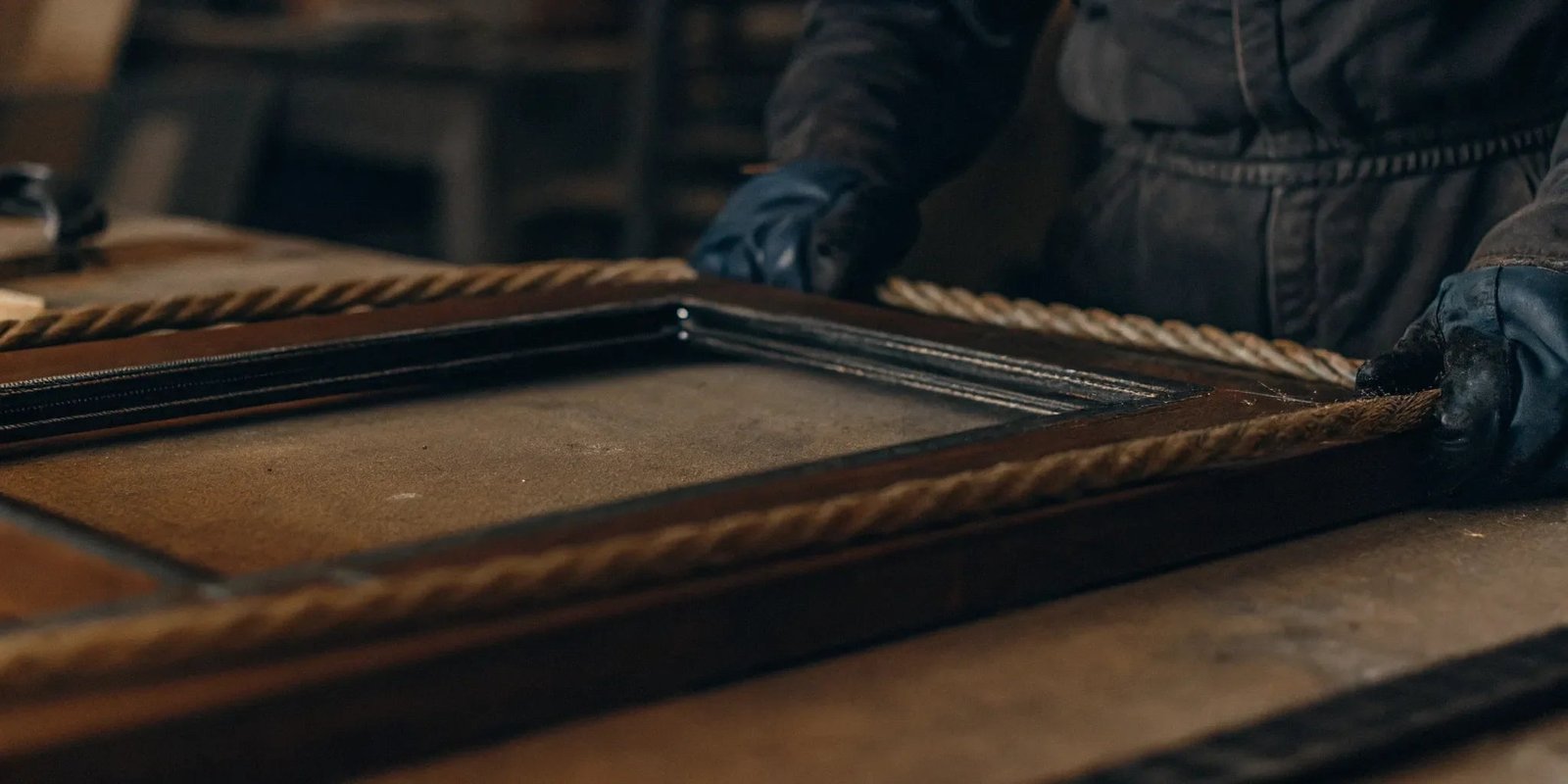
The frame is the backbone of your upholstered bench. You can build it from scratch using lumber, following a simple design plan. Alternatively, you can modify an existing piece of furniture, like an old coffee table or a sturdy storage chest. The frame’s dimensions will dictate the final size and shape of your bench.
If building from scratch, use sturdy wood. Assemble it using wood glue and screws for added durability. If recycling, ensure the existing frame is structurally sound, reinforcing it if necessary. When I tested this myself, I learned that precise measurements are vital. A slightly off-square frame will result in an uneven bench. Measure twice, cut once to avoid costly mistakes. Ensure the frame’s corners are perfectly square before proceeding to the next steps. This is critical for visual appeal and longevity.
How Do I Add Padding and Upholstery to the Bench?
Adding padding and upholstery is where your bench truly comes to life. Start by cutting the foam padding to fit the frame, using a serrated knife for clean cuts. Attach the foam to the frame using spray adhesive, ensuring it’s securely in place. Then, wrap the foam in batting for a smooth and even surface, securing it with staples.
Next comes the fun part: draping the fabric over the padded bench. Carefully position the fabric, making sure it’s taut, and use a staple gun to secure it to the frame. Start with the corners, pulling the fabric tightly and stapling it in place. Then, move onto the sides, working your way around the bench. Trim any excess fabric, and add any decorative details, like piping or buttons. A colleague once pointed out that the tension of the fabric is key; too loose, and the bench will look saggy; too tight, and there will be stress on the fabric and staples.
How Can I Customize My Upholstered Bench for Storage?
Incorporating storage into your upholstered bench is a practical and stylish upgrade. This can be achieved by building a hollow frame with a hinged lid or by modifying an existing storage chest. For a hinged lid, attach the hinges to the frame and the lid, ensuring they’re securely fastened. Add a support mechanism to hold the lid open for easy access to the storage space. You can also add interior dividers or a storage liner to organize the contents.
Consider the type of items you plan to store. This may influence the dimensions. If you don’t design your bench properly, storage capacity will be limited. Ensure the storage space is easily accessible and doesn’t interfere with the bench’s seating functionality. The addition of storage transforms a practical bench into a multifunctional piece, ideal for living rooms, entryways, or bedrooms. When I tested this, I found that small details, like soft-close hinges, make the bench feel luxurious.
Are There Any Common Mistakes to Avoid?
One common mistake is insufficient padding. Don’t skimp on the foam and batting, as this will affect the comfort and appearance of your bench. Another pitfall is not pre-washing your fabric. Some fabrics shrink after washing, which can ruin your carefully crafted upholstery. Always pre-wash the fabric to prevent shrinkage and ensure proper fit.
Take your time and pay attention to detail. Rushing through the process often leads to uneven seams, loose fabric, and a less-than-professional finish. Measure carefully, cut accurately, and use high-quality materials. The attention to detail makes all the difference in the final product. Remember that patience and practice are key. Don’t be discouraged by minor imperfections, as they’re a part of the learning process. It will get better.
What Are Some Advanced Techniques for Upholstered Benches?
Once you’ve mastered the basics, you can experiment with advanced techniques. Try adding button tufting for a more sophisticated look. This technique involves creating dimples on the surface of the upholstery by pulling the fabric through the padding and securing it with buttons. Another option is to create custom piping to add a tailored detail. This involves sewing a cord into the fabric to create a decorative edge.
Don’t be afraid to mix and match textures and patterns to create a unique design. This could be combining a velvet seat with a linen base. You can also try using different types of foam padding for varying levels of firmness. These advanced techniques allow you to push your creativity and develop even more refined upholstery skills. The design possibilities truly expand when you begin experimenting. The unexpected is that the complexity rewards you with increased skill and confidence.
What Is the Future of DIY Furniture?
The trend of DIY furniture, particularly upholstered benches, will only continue to grow. People are seeking unique, personalized items. The ease of access to online tutorials and design resources fuels creativity. The increasing focus on sustainability will drive many to upcycle and repurpose existing materials. It’s a win-win.
The tools and materials themselves will keep improving, eventually making the process even simpler and the outcomes more impressive. Furthermore, augmented reality might play a role, allowing people to virtually design and visualize their projects. The next five years will involve a surge in creative DIY projects. The rise of DIY will also be a response to the current economic situation. The market will see a greater demand for bespoke, self-made furnishings. And, ultimately, empowering individuals to create beautiful, functional pieces for their homes will continue to be a dominant trend.



Post Comment