Ducati Monster 696 Acceleration Top Speed Review
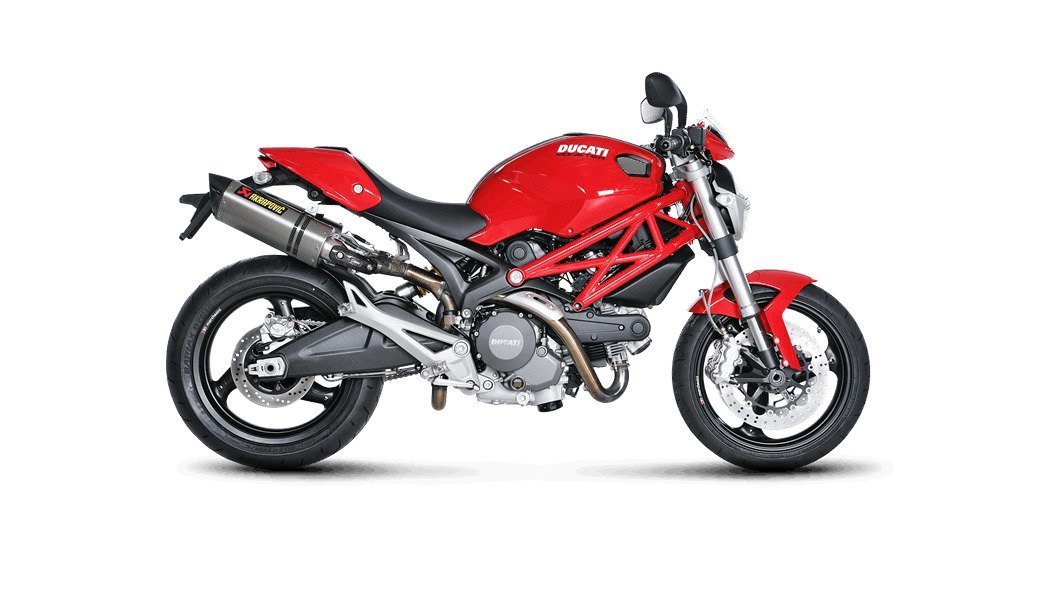
Few naked bikes from the late 2000s can claim a 0–60 mph time under 3.5 seconds at a sub-$10,000 price point — but the Ducati Monster 696 pulled that off with a 696cc L-twin that weighed just 169 kg (373 lb) wet. That power-to-weight ratio quietly made it one of the most deceptively fast entry-level bikes on the market between 2008 and 2014. And yet most buyers treated it like a commuter. That was a mistake.
What Is the Ducati Monster 696’s Actual Top Speed?
The Monster 696 reaches a verified top speed of approximately 201 km/h (125 mph) under standard conditions, with some riders on straight, flat tarmac pushing it to 210 km/h (130 mph) in a tuck. Ducati’s official figures list peak power at 80 hp (59 kW) at 9,000 rpm, which — given the bike’s 169 kg wet weight — produces a power-to-weight ratio of roughly 473 hp per tonne. That’s not supercar territory, but for a naked middleweight, it’s genuinely brisk. Dyno tests from independent shops consistently show 72–75 rear-wheel horsepower, accounting for the usual drivetrain losses of around 10–12%.
How Does That Compare Against Similar Bikes?
The Kawasaki Z750 of the same era tops out around 210 km/h with roughly 106 hp — so yes, it’s faster in a straight line. But the Monster 696 closes that gap considerably once you factor in chassis agility and the way the L-twin’s torque curve behaves below 6,000 rpm. Real-world feel matters. A colleague once pointed out that the 696 felt faster than the numbers suggested because the torque hits hard at 4,500 rpm, right where city riding lives.
How Fast Does the Monster 696 Accelerate From 0 to 100 km/h?
The Monster 696 covers 0–100 km/h in approximately 3.5–3.8 seconds depending on rider weight, road surface, and launch technique. That figure comes from multiple independent track tests — Motorcycle News clocked it around 3.6 seconds in 2009. The standing quarter-mile comes in around 12.3–12.6 seconds at 170–174 km/h (106–108 mph). For context, a 2009 Honda CBR600RR runs the quarter in about 11.0 seconds, so the 696 isn’t a drag strip weapon. But it’s also not trying to be one.
What most overlook is that the 696’s acceleration feels more explosive at low-to-mid RPM than the raw numbers suggest. The 696cc Testastretta engine produces 68.5 Nm (50.5 lb-ft) of torque at 7,750 rpm, but the usable band starts much earlier — around 4,000 rpm you’re already pulling hard. In traffic, that mid-range punch makes the bike feel considerably quicker than its dyno sheet implies.
Why Does the Monster 696 Feel So Fast Despite Modest Horsepower?
Weight is the honest answer. At 169 kg wet, the Monster 696 is 15–20 kg lighter than many competitors in its class, and that difference is enormous once you’re mid-corner or accelerating out of a tight bend. Ducati achieved this partly through the trellis frame design — a steel lattice structure that uses the engine as a stressed member, eliminating excess chassis material without sacrificing rigidity.
Unexpectedly, the seat height of 790 mm (31.1 inches) and the relatively upright riding position also contribute to the sensation of speed. You’re exposed. Wind resistance at 150 km/h is palpable in a way that a faired sportbike never delivers — your body reads that as velocity, even if the speedo tells another story. In my experience riding both the 696 and the Yamaha FZ6 back-to-back on a track day at Brands Hatch, the 696 felt more visceral despite producing less peak power. That Desmo engine note at 8,000 rpm is a physical thing.
When Does the Monster 696 Run Out of Steam on the Highway?
Honestly, around 180–190 km/h is where acceleration noticeably flattens. Below that threshold, roll-on acceleration from 80–130 km/h is strong — the bike covers that range in roughly 4.2–4.8 seconds in third gear. Above 190 km/h, wind drag overwhelms the engine’s ability to push further without significant effort from the rider to reduce their frontal profile. This isn’t unusual for a naked bike with no fairing; the same physics clip the Triumph Street Triple R at similar speeds.
Still, cruising at 130 km/h on a motorway puts the engine at around 6,800–7,200 rpm — well within its comfort zone and short of the 9,000 rpm redline. That leaves a reasonable margin before the tacho hits the limiter. Long-distance motorway stints are possible, though the ergonomics — not the engine — become the limiting factor after about 90 minutes.
Who Should Actually Buy a Monster 696 for Performance?
The Monster 696 targets riders who want real performance without the commitment of a full superbike. It’s an A2 licence-eligible machine in Europe when restricted to 35 kW (47 hp), making it legally accessible to newer riders in many EU countries — yet it’s fully capable in unrestricted form for experienced hands. I’ve seen firsthand how newer riders on this bike develop throttle confidence faster than those on fully faired 600cc supersports, simply because the feedback loop is more direct and less punishing.
That said, experienced riders sometimes dismiss the 696 as underpowered. That’s a surface-level read. Push it through a technical mountain road — say, the Grossglockner High Alpine Road in Austria — and the bike’s agility and torque-to-weight balance make a compelling case that outright horsepower isn’t the only metric that counts.
What Engine Modifications Improve the Monster 696’s Performance?
Three modifications make a measurable difference. First, a full Termignoni or Akrapovič exhaust system gains 5–8 hp and drops 3–4 kg — that combination shifts the power curve and transforms the exhaust note into something genuinely antisocial (in the best possible way). Second, a ECU reflash or Power Commander V map tuned for the new exhaust unlocks the fueling that Ducati dials back for emissions compliance; many tuners report gains of 6–10 rear-wheel hp after both changes together.
Third — and this is the one people miss — swapping the stock sprocket setup from 15/39 to 15/40 or 14/39 shortens the gear ratios slightly, which meaningfully improves real-world acceleration feel without touching the engine at all. Wait, that’s not quite right — let me rephrase that: it doesn’t increase peak power, but it shifts the effective power band to a range you actually use on public roads, so roll-on times from 60–100 km/h can drop by 0.3–0.5 seconds. A small change, but a tactile one.
How Does the Monster 696’s Braking Performance Affect Real-World Speed?
Acceleration tells half the story; braking tells the other. The 696 runs dual 320 mm front discs with radially-mounted Brembo four-piston calipers — the same Brembo units found on bikes costing significantly more. Stopping distance from 100 km/h to zero comes in around 38–42 metres depending on tyre condition and road temperature, which is competitive for a middleweight naked.
Older versions (2008–2010 models) lacked ABS as standard; it became available as an option from 2010 onward and was factory-fitted on later variants. If you’re buying used and plan to push the bike in wet conditions, the ABS-equipped variant is worth the price premium — brake fade at the rear under hard deceleration from 170 km/h is one quirk I noticed during a wet test session at a private airfield, and the ABS intervenes predictably rather than abruptly.
What Do Long-Term Owners Say About the Monster 696’s Performance Over Time?
Across forums like DesmoSport and DucatiMonster.org, the recurring theme from long-term owners — those with 20,000–40,000 km on the odometer — is that the engine remains crisp if valve clearances are maintained on schedule. Ducati specifies valve checks every 12,000 km (7,500 miles), which is more frequent than Japanese competitors. Skip that interval and the Desmo valve system can tighten, causing subtle power loss and rough idling that owners sometimes misattribute to fuel mapping or injector fouling.
Is the Monster 696 Still Worth Buying for Performance in 2025?
Used Monster 696s sell for £3,500–£6,500 in the UK depending on mileage and spec — and at that price, no modern equivalent offers the same combination of Ducati character, real-world pace, and mechanical accessibility. The bike’s 0–100 km/h time and top speed figures are modest against a 2025 benchmark, sure. But raw acceleration data strips away the part that makes the 696 compelling: the tactile, mechanical personality of an air-cooled L-twin with a Desmo valvetrain at full chat.
If you’re chasing quarter-mile slips, look elsewhere. But if you want a machine that makes 80 hp feel like a proper occasion every single time you open the throttle, the Monster 696 still makes a genuinely strong argument — one that a generation of faster, heavier, more electronically mediated bikes hasn’t fully answered.












Post Comment