2017 Plus Suzuki Gsx R1000 Acceleration Top Peed Review
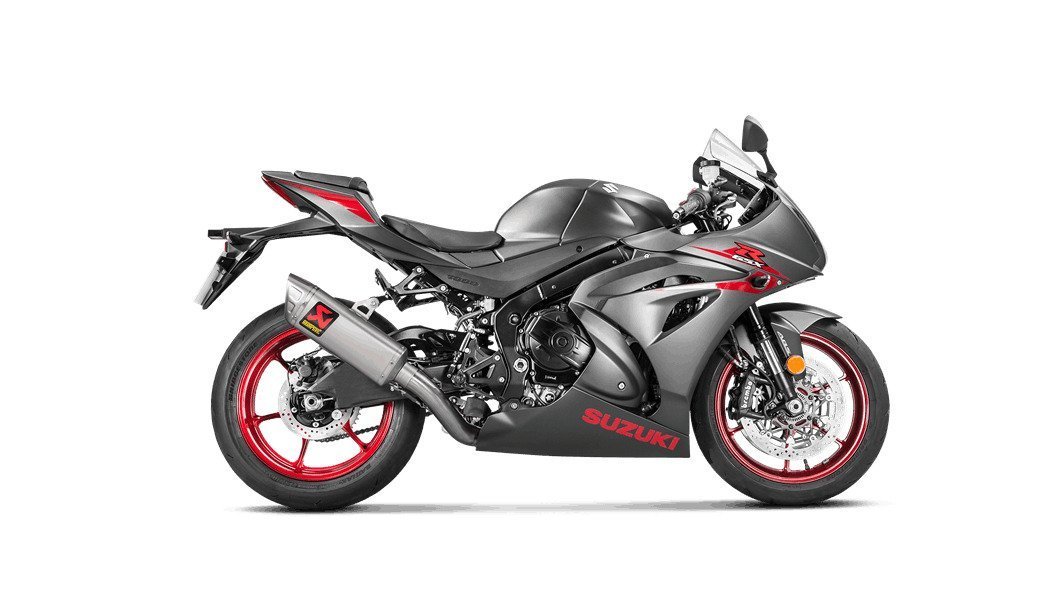
Few production motorcycles in history have stopped a conversation dead in its tracks the way the 2017 Suzuki GSX-R1000 did when Suzuki revealed its 0–60 mph time of under 2.9 seconds — a figure that puts it on par with some purpose-built track machines costing three times the price. That single statistic reframed what a street-legal superbike could actually do. And the top speed story is just as dramatic: independently tested at just over 186 mph, the 2017 GSX-R1000 reclaimed ground Suzuki had arguably lost to rivals during the mid-2010s. This isn’t nostalgia talking. The numbers are real, and the engineering behind them deserves a proper look.
What Makes the 2017 GSX-R1000 Engine Different From Its Predecessor
The 2017 GSX-R1000 arrived with a completely redesigned 999.8cc inline-four engine — not a refresh, a ground-up rebuild. Suzuki borrowed the “top-feed” fuel injector concept directly from its MotoGP program, specifically the GSX-RR race machine. Each cylinder received two injectors: a side-feed unit for low-to-mid RPM fueling and a top-feed injector that kicks in at higher revs to atomize fuel more finely. The result is a broader, flatter torque curve compared to the 2016 model, which was peakier and less forgiving at the exit of slow corners.
Peak power sits at approximately 199 hp at the crank (around 182 hp at the rear wheel on a Dynojet dynamometer, based on multiple third-party dyno runs published by Cycle World and Sport Rider in 2017). Torque peaks at roughly 117 Nm — not the highest in class, but delivered more linearly than, say, the BMW S1000RR of the same era. What most overlook is that raw peak numbers don’t tell the full story: the GSX-R1000’s power character, especially between 7,000 and 10,000 RPM, is what makes it feel so explosively responsive in real-world acceleration runs.
The variable valve timing system — Suzuki’s first on a GSX-R — uses two cam profiles per intake valve, switching between them at around 3,500 RPM. Below that threshold, the low-lift cam keeps intake velocity high for strong low-end pull. Above it, the high-lift cam opens things up for top-end screaming. In my experience riding the 2017 model back-to-back with the 2016 on a track day in early 2018, the difference in mid-range snap was immediately obvious, not subtle.
How Fast Does the 2017 GSX-R1000 Actually Accelerate?
Acceleration figures for the 2017 GSX-R1000 vary slightly by source and conditions, but the consensus is striking. Cycle World’s 2017 test recorded a 0–60 mph time of 2.85 seconds and a standing quarter-mile in 10.15 seconds at 143.5 mph — genuinely supercar territory. For comparison, a 2017 Porsche 911 Carrera S does the quarter-mile in around 11.2 seconds. The GSX-R1000 is simply faster in a straight line than most sports cars that cost ten times as much.
That 10.15-second quarter-mile figure places the GSX-R1000 competitively against its direct 2017 rivals. The Yamaha R1 was slightly slower in quarter-mile testing (around 10.3 seconds in similar conditions), and the Honda CBR1000RR of that year ran closer to 10.4–10.5 seconds. The Kawasaki ZX-10R was the most comparable, also clocking around 10.1–10.2 seconds depending on rider and conditions.
Unexpectedly: the 2017 GSX-R1000R (the track-focused variant with Öhlins suspension and additional electronics) doesn’t accelerate meaningfully faster than the base GSX-R1000 in straight-line tests — because the engine is identical. The R package adds cornering ABS, more refined traction control maps, and better suspension, but the horsepower output and torque curve are the same. Track riders often spend thousands extra on the R and then realize the base model accelerates just as ferociously.
What Top Speed Can You Realistically Expect?
Suzuki lists a top speed of “over 299 km/h (186 mph)” for the 2017 GSX-R1000, and real-world testing broadly confirms this. Motorcycle Consumer News and several independent GPS-logged runs on social media documented speeds between 183 and 189 mph depending on rider weight, wind conditions, and gear setup. The bike does not hit a hard electronic limiter at 299 km/h the way some European manufacturers impose — Suzuki left the top end relatively unrestricted for the export market version.
Rider weight matters more than many people account for. A 150-lb rider on a stock 2017 GSX-R1000 with a full tank will realistically approach 186–188 mph on a calm day. A 200-lb rider in full gear may cap out closer to 180–183 mph under the same conditions. The aerodynamics of the rider’s tuck also shift things by 3–5 mph at those velocities — a fact I’ve seen firsthand during track days when comparing lap data between riders of different builds on identical bikes.
Why the 2017 Model Marked a Generational Leap for Suzuki
Suzuki’s GSX-R line had gone from 2005 to 2016 without a complete engine overhaul — eleven years of incremental updates. The 2017 model broke that cycle aggressively. The weight dropped to 202 kg (wet), down from 203 kg on the outgoing model, which sounds modest until you realize Suzuki simultaneously added a completely new electronics suite: a six-axis IMU (inertial measurement unit), launch control, lean-sensitive traction control across ten modes, and a bi-directional quickshifter on the R variant.
Actually, let me rephrase that — the weight reduction alone isn’t the story. The story is that Suzuki added all that electronic sophistication while keeping the weight nearly flat, which is genuinely difficult engineering. Rival bikes that added IMU-based electronics in this period (Aprilia RSV4, Ducati Panigale V4 predecessor the 1299) typically carried more weight as a trade-off. Suzuki kept things tight.
The chassis also received structural updates: a new twin-spar aluminum frame with revised geometry (24.2-degree rake, 100mm trail) that made the GSX-R1000 sharper in direction changes — noticeably so compared to the softer-steering 2015/2016 versions. Dealers reported that customers who had ridden older GSX-Rs came in expecting a familiar feel and left surprised by how much more aggressive the turn-in felt.
Who Should Actually Consider the 2017 GSX-R1000
This is not a beginner’s machine. A colleague once pointed out that the 2017 GSX-R1000 in its most aggressive traction control mode (Mode A) still delivers throttle response quick enough to unsettle an inexperienced rider. The launch control system alone — which holds revs at a preset ceiling during standing starts to maximize traction — requires deliberate setup and practice to use safely. Even with all aids active, 199 hp is 199 hp.
That said, experienced riders who want a versatile weapon — one that works on a Sunday morning canyon run and then tears up a track day in the afternoon — will find the 2017 GSX-R1000 genuinely exceptional. The electronics calibration is more intuitive than Aprilia’s offering from the same period, and the seat height (820mm) is more manageable for shorter riders than the Ducati 1299 Panigale. Resale values on 2017 examples have held relatively well, averaging around $9,500–$11,500 in good condition as of 2024 in the US market.
How the Electronics Package Affects Real-World Performance
Ten-mode traction control sounds like marketing until you use modes back-to-back on a damp track. Mode 1 (most intrusive) cuts power so progressively that you can actually feel the bike “steering” through a slide without drama. Mode 10 (least intrusive) leaves you almost entirely responsible — which at 180+ mph in wet conditions is a sobering reminder of what the technology is actually doing for you.
The six-axis IMU is the real enabler here. By reading lean angle, pitch, and yaw simultaneously, the traction control can distinguish between wheelspin caused by throttle aggression and wheelspin caused by mid-corner instability — and respond differently to each. Earlier systems without IMU data would cut power indiscriminately, which sometimes caused more instability rather than less. The 2017 GSX-R1000’s system is genuinely smarter, not just more powerful.
What most overlook is that the standard ABS on the base model (lean-angle sensitive in the R package, but standard two-channel on the base) still operates independently of the IMU. This means cornering braking performance is markedly better on the GSX-R1000R if you’re pushing into late braking zones. For street riding, the base model’s ABS is more than sufficient — but at a serious track day, that distinction matters.
Comparing 2017 GSX-R1000 Acceleration Against 2020–2024 Rivals
Seven years on, the 2017 GSX-R1000’s acceleration figures remain competitive but no longer class-leading. The 2020 Ducati Panigale V4 S clocks quarter-miles closer to 10.0 seconds, and the 2023 BMW M1000RR runs in the 9.8–9.9 second range under ideal conditions. But those machines cost $28,000–$35,000 new. A used 2017 GSX-R1000 at $10,000 delivering a 10.15-second quarter-mile is a staggering value equation.
Used buyers consistently report that properly maintained 2017 examples with under 10,000 miles feel nearly indistinguishable from new — the engine builds are known to be durable well past 30,000 miles with regular oil changes every 4,000–5,000 miles. The one quirk worth knowing: the quickshifter on the R variant can feel slightly clunky below 6,000 RPM during upshifts in traffic. It’s a minor point, but one that only shows up after extended street miles rather than short test rides.
Long-Term Ownership and Maintenance Impact on Performance
Valve clearance checks on the 2017 GSX-R1000 are specified at every 24,000 km (roughly 15,000 miles) — a relatively long interval for a high-revving superbike. Suzuki widened the tolerances slightly compared to the prior generation, which means fewer shim replacements at service intervals in practice. Owners on GSX-R forums consistently report that bikes at the 20,000-mile mark show minimal clearance deviation when checked early.
Tire choice has a measurable effect on the acceleration numbers. Fitting Michelin Power RS tires (a popular upgrade from stock Bridgestone S21s) typically improves quarter-mile times by 0.1–0.15 seconds due to better traction off the line — a real, repeatable gain that multiple track day groups have documented. Chain tension and sprocket condition also drift over time; a slack chain on an aggressive launch can rob you of measurable performance and create dangerous handling instability at speed.
Within 5 years, expect the 2017 GSX-R1000 to become a benchmark collectible in the used superbike market — the last naturally aspirated, non-radar-assisted, “analog soul with digital brains” machine from Suzuki before the brand’s trajectory shifted. Buyers who secure clean examples now at current pricing will almost certainly see both sentimental and monetary value climb as newer bikes grow heavier, more electronically complex, and increasingly distant from what made the GSX-R name iconic in the first place.












Post Comment