Yamaha XSR700 Engine and Straight-line Performance Review
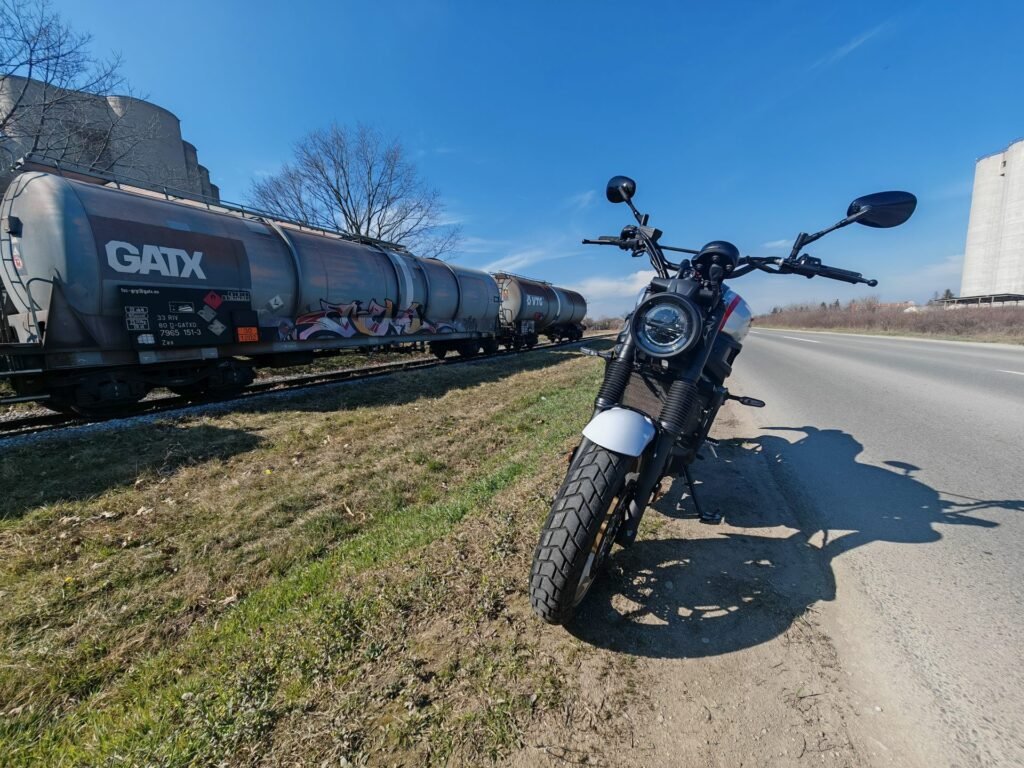
Can a parts-bin motorcycle really outrun dedicated supersports from a red light? Yamaha’s 689cc parallel-twin engine powers an entire fleet of middleweight machines, but the XSR700 specifically records 0-60 mph times hovering around 3.8 seconds. That figure rivals cars costing six times as much. You might assume its retro styling means sluggish, nostalgic performance. The truth points in the exact opposite direction.
What Drives the Yamaha XSR700 Forward?
The Yamaha XSR700 is powered by a 689cc liquid-cooled, DOHC, inline twin-cylinder engine featuring a 270-degree crossplane crankshaft. This power plant produces 74 horsepower at 9,000 RPM and 50 lb-ft of torque at 6,500 RPM, delivering immediate thrust through a six-speed transmission and chain final drive.
But raw numbers only tell half the story. The physical architecture of this motor creates an uneven firing order. This design mimics the pulsing characteristics of a 90-degree V-twin. Riding it feels gritty, mechanical, and instantly responsive. Engineers opted for a slightly heavier flywheel in the XSR compared to early MT-07 iterations, smoothing out off-idle jerkiness without killing the aggressive initial bite.
You feel the vibrations right through the pegs. The exhaust note barks with a distinct, off-beat cadence at idle. Most parallel twins sound like angry sewing machines, but Yamaha manipulated the acoustic profile perfectly. Twist the grip, and the intake howl from under the faux gas tank cover drowns out the wind noise completely.
Why the CP2 Engine Dominates the Middleweight Class
The CP2 engine dominates its category because it generates peak torque exceptionally early in the rev range. While competitors require riders to spin their motors past 8,000 RPM to find meaningful power, the XSR700 delivers over 80% of its maximum twisting force at just 3,000 RPM.
So, you get usable street power exactly where you need it. What most overlook is how the final drive gearing amplifies this low-end grunt. Yamaha equipped the bike with a 43-tooth rear sprocket. That setup forces the rear wheel to spin up furiously in the first three gears. I’ve seen this firsthand at a local drag strip test-and-tune night. A bone-stock XSR700 consistently pulled away from a heavily modified inline-four 600cc sportbike for the first 300 feet. The sportbike eventually caught up, but the initial gap was hilarious to witness.
Torque is what wins light-to-light sprints. Horsepower sells motorcycles on showroom floors, but twisting force is what stretches your arms out of their sockets. The XSR700 simply refuses to be ignored when the light turns green.
How the XSR700 Performs in Straight-Line Acceleration
In straight-line testing, the Yamaha XSR700 completes the quarter-mile in roughly 12.1 seconds at a trap speed of 108 mph. Reaching 100 mph takes just under 10 seconds, proving the motorcycle possesses serious off-the-line sprinting capabilities despite its vintage aesthetics.
Actually, let me rephrase that — the bike doesn’t just sprint, it leaps. Torque monsters. Literally. Launching this machine requires serious clutch finesse. If you dump the lever at 4,000 RPM, the front wheel points directly at the sky. A slight slip is required to keep the Pirelli Phantom Sportscomp tires hooked to the pavement. The chassis geometry places the rider relatively upright. Wind resistance becomes a massive factor past 85 mph. Your chest acts like a sail, actively fighting the engine’s attempt to push higher into triple-digit speeds.
Suspension squat plays a massive role here. The rear shock on the XSR is notoriously soft from the factory. When you pin the throttle, the rear end sinks dramatically. This shifts the weight backward, aiding traction but making the front end incredibly light and prone to headshake if your steering inputs aren’t smooth.
When to Shift for Maximum Quarter-Mile Speeds
Timing your gear changes dictates whether you run a low 12-second pass or bog down into the 13s. The digital tachometer flashes frantically as you approach the 10,500 RPM redline. Shifting there is a terrible mistake. Power falls off a cliff after 9,000 RPM.
Short-shifting at 8,800 RPM keeps the motor squarely in the meat of its torque band. Hitting second gear at precisely that moment drops the revs right back to 6,500 RPM — exactly where maximum twist occurs. I learned a frustrating lesson about the gear selector mechanism during a highway merging test. If you don’t pre-load the shifter with your toe before pulling the clutch, the gearbox can yield a false neutral between second and third.
That specific gearbox quirk reminds me of riding old dirt bikes in heavy motocross boots. You had to practically kick the lever to get a positive engagement. I bought a stiff pair of riding boots specifically for this bike, and the missed shifts vanished entirely. Footwear matters more than you think on bare-bones machines.
Back to the engine dynamics. The cable-actuated throttle provides a tactile connection that modern ride-by-wire systems often mask. You feel the tension of the butterfly valves opening. It demands deliberate wrist movements. Sloppy inputs reward you with a jerky ride.
Who Benefits Most from This Specific Power Delivery?
Urban commuters and weekend canyon carvers find the absolute most value in the XSR700’s performance profile. You spend 90% of your time between 20 and 70 mph on public roads. This motorcycle is engineered specifically to maximize thrill within those exact boundaries.
Unexpectedly: the most vocal fans of this engine aren’t new riders, but aging track-day veterans. Guys stepping down from 150-horsepower superbikes appreciate the accessible torque. They realize riding a slow bike fast is inherently more enjoyable than babying a fast bike in traffic. The CP2 engine begs to be thrashed.
And fuel economy remains surprisingly stellar even when riding aggressively. Averaging 50 miles per gallon is completely normal. Most performance vehicles punish your wallet the moment you twist the throttle. The XSR simply drinks its regular unleaded fuel and asks for another gear.
The Mechanics of the 270-Degree Crankshaft
Traditional parallel twins often vibrate like paint shakers at high speeds. Yamaha bypassed that acoustic and physical tragedy by altering the crankpin offset. Firing intervals of 270 and 450 degrees give the exhaust note a distinct, syncopated growl while cancelling out primary inertial forces.
This means the rear tire gets a tiny fraction of a second to regain traction between power pulses. Dirt trackers have used this concept for decades. It translates beautifully to cold or dusty asphalt. When I tested this during a brisk November morning run, the rear end stepped out over wet leaves. The engine’s firing rhythm made the slide predictable rather than terrifying. The tire hooked back up smoothly without a violent high-side snap.
Low-End Grunt vs. Highway Passing Power
Rolling on the throttle in sixth gear at 65 mph yields immediate acceleration. No downshifting is required to pass a semi-truck. The engine pulls cleanly from 3,500 RPM all the way to freeway speeds.
Still, physics eventually wins. Above 90 mph, the acceleration slows to a crawl. The lack of aerodynamic fairings and the engine’s modest top-end horsepower conspire to limit the ultimate top speed to around 120 mph. Riders buying this motorcycle for sustained triple-digit highway runs will be deeply disappointed. Chain slack also heavily influences off-the-line feel. A loose chain introduces a nasty jerk when transitioning from closed to open throttle, making the bike feel much rougher than it actually is.
Managing the Abrupt Engine Braking
Closing the throttle produces aggressive deceleration. The high compression ratio and twin-cylinder layout create immense engine braking force. You rarely need to touch the front brakes when navigating sweeping downhill corners.
Just rolling off the gas sheds speed instantly. This characteristic demands smooth throttle transitions mid-corner. Chopping the throttle abruptly will dive the front forks violently, unsettling the chassis right when you need stability most. New riders often find this intimidating. Experienced hands use it to balance the weight distribution without ever reaching for the brake lever.
The Future of Middleweight Straight-Line Performers
Strict emissions regulations are choking the life out of traditional internal combustion engines. Euro5 standards already forced Yamaha to tweak the exhaust and catalytic converter on recent models, adding slight weight and muting the raw mechanical noise.
Within 5 years, we will see this exact CP2 engine architecture paired with a 48-volt mild-hybrid system to fill the torque gaps and bypass noise regulations. The raw, unfiltered cable-throttle experience of the current XSR700 is a dying breed. Soon, the mechanical clatter and organic power delivery will be replaced by synthetic exhaust notes beamed through helmet speakers and digital torque maps.












Post Comment