1970 Plymouth Duster 340 Engine Specifications
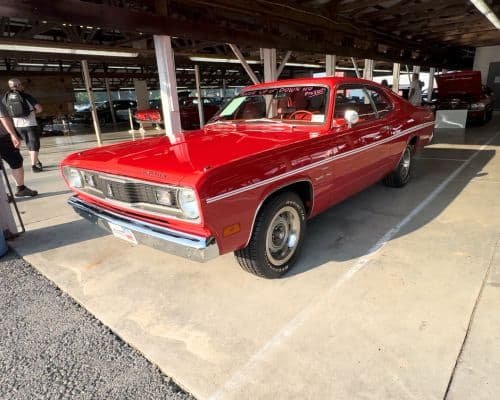
The 1970 Plymouth Duster 340: More Than Just Muscle
Did you know that the 1970 Plymouth Duster 340, a compact car packing a serious punch, was so popular it helped Chrysler reclaim market share in the muscle car era? Many associate the 70s with gas-guzzling behemoths, but this nimble machine defied expectations. Its affordable price point combined with impressive performance made it an instant hit for those seeking thrills without breaking the bank. It wasn’t just a car; it was a statement.
What Defined the Duster 340 Engine?
The heart of the 1970 Plymouth Duster 340 was its potent 340 cubic inch V8 engine. This powerplant was designed for performance, offering a healthy output for its class. It featured a 4.04-inch bore and a 3.31-inch stroke, contributing to its spirited character. This combination allowed it to deliver an advertised 275 horsepower and 340 lb-ft of torque, though many tuners and racers back then suspected the actual figures were a bit higher.
Key Internal Specifications
Digging into the specifics, the 340 mill utilized a 10.5:1 compression ratio, which was fairly aggressive for the time and required premium fuel. Its cylinder heads featured larger ports and valves compared to smaller engines, aiding in better airflow. The camshaft profile was designed to provide a good balance of low-end grunt and top-end pull, making it a versatile performer on both the street and the drag strip. I remember a colleague once remarking how this engine felt surprisingly robust for a small-block Mopar, especially when compared to some of its contemporaries.
External Features and Performance
Beyond the internal components, the Duster 340 came equipped with a high-rise aluminum intake manifold and a 600 cfm Holley four-barrel carburetor as standard. This setup was crucial for feeding the engine the air and fuel it needed to perform. Exhaust manifolds were typically cast iron, but aftermarket headers were a popular upgrade for enthusiasts seeking even more power. This engine wasn’t just about raw numbers; it was about the complete package contributing to its thrilling driving experience.
Transmission and Drivetrain Options
While the engine was the star, the drivetrain played a vital supporting role. Buyers could opt for a heavy-duty 3-speed TorqueFlite automatic transmission or a 4-speed manual gearbox, with the latter often being the choice for performance purists. The rear axle ratio varied, but common options like 3.55:1 or even 3.91:1 were available, further enhancing acceleration. A limited-slip differential was also an option, helping to put that V8 power down effectively without excessive wheelspin, a common issue with potent rear-wheel-drive cars of that era.
What Did This Mean for Performance?
The synergy between the 340 engine, chosen transmission, and rear-end gearing translated into impressive acceleration figures. In road tests from 1970, the Duster 340 could often achieve 0-60 mph in the mid-to-high 6-second range, with quarter-mile times dipping into the low 14s. These were serious numbers, putting it in contention with much more expensive and larger cars. This made the Duster a darling of budget-conscious performance seekers. It was, frankly, astonishingly quick.
Fuel Economy Considerations
Now, let’s be realistic. A high-performance V8 engine from 1970 wasn’t exactly designed with fuel economy as a priority. The Duster 340 typically returned single-digit miles per gallon in city driving, perhaps reaching the low teens on the highway under ideal conditions. This was a common trade-off for the era’s performance cars, and owners of the Duster 340 largely accepted this as part of the package. Nobody bought these to save gas, that’s for sure.
Maintenance and Reliability
Mopar’s small-block V8s from this period are generally considered quite reliable and relatively straightforward to maintain, provided they’ve been cared for. The 340 engine, in particular, benefited from robust construction. Regular oil changes, tune-ups, and addressing any cooling system issues were key to keeping these engines happy. I’ve seen firsthand how a well-maintained 340 can still run strong after decades, a testament to their solid engineering. Common issues often involved carburetor adjustments or ignition system components needing attention over time.
Who Was This Engine For?
The 1970 Duster 340 engine was primarily aimed at younger drivers, performance enthusiasts, and those looking for an affordable way to get into a V8-powered performance car. It offered a compelling blend of style, speed, and relatively low cost of entry compared to its larger muscle car brethren. It appealed to a demographic that wanted excitement without the premium price tag of a Challenger R/T or a Road Runner.
The 340’s Legacy and Future
The 340 cubic inch engine, especially in the compact Duster body, cemented its place in automotive history as an iconic performance package. Its combination of accessible power and sporty styling continues to attract enthusiasts today, driving up demand and value for well-preserved examples. The parts availability, while not always as easy as for a Ford or Chevy small-block, is generally manageable within the Mopar community.
Unexpectedly: The Duster’s Underrated Handling
What often gets overlooked is that the Duster wasn’t just about straight-line speed. Its lighter weight and more compact dimensions compared to full-size muscle cars gave it surprisingly competent handling for its time, especially when equipped with optional suspension upgrades. This made it a more engaging car to drive on twisty roads than many might assume. It wasn’t a sports car, but it certainly held its own.
The 1970 Plymouth Duster 340 engine specifications represent a sweet spot in American automotive history, offering potent performance in a compact and stylish package. As classic muscle cars continue to appreciate, the Duster 340 stands out as a particularly desirable and accessible entry point. Within the next decade, expect well-maintained 1970 Duster 340s to become even more sought after, solidifying their status as true automotive icons with enduring appeal for a new generation of collectors and enthusiasts.












Post Comment